• In the rapidly evolving landscape of blockchain technology, Web3 has emerged as a transformative paradigm, reshaping not only how data is handled but also how advertising is executed. Traditional advertising models are being reinvented, and the integration of AdTech with Web3 Paid Ads is leading the charge. For decentralized projects, DApps, and token ecosystems, this integration offers a new era of scalable, privacy-respecting, and community-focused marketing.

    The convergence of Web3 and AdTech is fueled by the need for greater transparency, decentralization, and user ownership. This evolution has given rise to advanced advertising strategies, tools, and platforms that empower marketers and project owners to connect with the right audiences more effectively. In this article, we will explore the state of Web3 Paid Ads, dive deep into prominent platforms like Coinzilla, CoinTraffic, AdDragon, and Brave Ads, and understand how innovations like Programmatic & DSP Based Retargeting, Push Notification Ads for DApps & Tokens, Mobile Ads, and DApp Store Ad Listings are driving the future of Web3 advertising.

    Understanding the Need for Web3 Paid Ads

    With decentralization at its core, Web3 projects face unique challenges that traditional Web2 advertisers don’t. The audience is more niche, ad platforms often disallow blockchain or crypto content, and community trust plays a massive role in project adoption. Web3 Paid Ads offer a solution by delivering crypto-compliant, targeted campaigns across decentralized and blockchain-friendly ecosystems.

    Moreover, Web3 advertising emphasizes transparency, user control, and value exchange, aligning with the ethos of decentralization. Whether promoting a token sale, a new DeFi platform, a GameFi product, or a utility-focused DApp, a well-structured Web3 ad strategy can make or break a launch.

    Top Web3 Ad Networks Powering the Ecosystem

    Coinzilla

    A leading name in the world of crypto advertising, Coinzilla has established itself as a reliable platform for running performance-driven campaigns. It connects blockchain advertisers with a curated list of crypto publishers, enabling banner ads, native content placements, and custom branding campaigns.

    What sets Coinzilla apart is its precision targeting and high-quality traffic. Advertisers can segment audiences based on geography, device, language, and more, ensuring ads reach the most relevant users. Its robust analytics tools also help marketers measure ROI with real-time insights.

    CoinTraffic

    Another pioneer in Web3 advertising is CoinTraffic, a platform known for its vast network of crypto-focused websites and publishers. From display banners to sponsored articles, CoinTraffic allows projects to amplify their visibility across the blockchain and fintech community.

    A standout feature of CoinTraffic is its publisher transparency and ad placement quality, which ensures that ads appear only on vetted, high-traffic platforms. This helps advertisers maintain brand safety while driving meaningful engagement with crypto-savvy users.

    AdDragon

    AdDragon takes a unique approach to Web3 ad delivery. Built on the principles of decentralization, AdDragon is a blockchain-based advertising marketplace that connects advertisers and publishers without middlemen. It empowers users to monetize their data and attention while offering brands direct access to engaged communities.

    What makes AdDragon appealing is its tokenized ecosystem, which rewards users for participating in the advertising process. This model creates an incentive loop where users are paid for watching ads, sharing content, or completing actions increasing ad interaction and performance.

    Brave Ads

    Brave Ads is redefining browser-based advertising by prioritizing privacy and user consent. Integrated within the Brave Browser, Brave Ads allows users to opt-in to see ads and earn BAT (Basic Attention Token) for their attention.

    This revolutionary model flips traditional advertising on its head giving users power over their data and time while giving advertisers access to a highly engaged, Web3-native audience. For DApps, tokens, and NFT projects, Brave Ads offer a cost-effective, trust-enhancing channel for campaign distribution.

    The Power of Programmatic & DSP Based Retargeting in Web3

    In traditional advertising, retargeting helps brands re-engage users who have previously interacted with their websites or content. In Web3, Programmatic & DSP Based Retargeting takes this concept to a new level utilizing decentralized identifiers and wallet interactions instead of cookies.

    Programmatic & DSP Based Retargeting in Web3 allows marketers to create dynamic campaigns that track on-chain behavior. For example, if a user previously swapped tokens or staked assets on a DeFi platform, that data can trigger targeted ads across a range of blockchain-friendly sites and platforms. This hyper-personalization improves conversion rates and maximizes ad spend efficiency.

    Moreover, demand-side platforms (DSPs) equipped for Web3 ecosystems can now plug into decentralized identity systems and leverage zero-party data, making privacy-preserving retargeting a possibility and a necessity.

    Boosting Visibility Through Push Notification Ads for DApps & Tokens

    As the competition among DApps and tokens intensifies, direct communication with users becomes essential. Push Notification Ads for DApps & Tokens offer a powerful way to drive engagement and bring users back to the platform.

    Unlike traditional display ads, Push Notification Ads for DApps & Tokens are timely, attention-grabbing, and can be personalized based on wallet activities, staking status, or in-app behavior. These notifications can promote limited-time offers, protocol updates, or token launches all while appearing directly on a user’s device or browser.

    Services like EPNS (Ethereum Push Notification Service) and Web3-native wallets now integrate push ad capabilities, giving projects a direct line to their community in a non-intrusive and actionable way.

    Mobile Ads in the Web3 Era

    As mobile usage continues to dominate internet traffic, Mobile Ads have become a critical part of the Web3 advertising toolkit. With the increasing number of mobile DApps, wallets, and blockchain games, delivering relevant ads on smartphones and tablets ensures higher visibility and engagement.

    Mobile Ads for Web3 projects are now being optimized for in-app experiences, token incentive triggers, and real-time user feedback. Whether it’s an NFT game campaign or a DeFi mobile wallet promotion, ads can now be contextual, location-aware, and behaviorally targeted.

    In the mobile-first Web3 world, these ads are not just banners they are integrated call-to-actions that drive on-chain engagement, wallet connects, or token swaps, all within a few taps.

    Driving Adoption with DApp Store Ad Listings

    One of the most promising developments in Web3 Paid Ads is the rise of DApp Store Ad Listings. As DApp marketplaces become the primary discovery points for decentralized applications, premium ad placements in these stores can significantly increase visibility and downloads.

    Just like Google Play or Apple App Store, DApp Store Ad Listings allow developers to bid for top positions or featured listings. Projects that appear at the top of the page see improved trust and user acquisition metrics, particularly when combined with community reviews and token incentives.

    Whether it’s marketplaces like DappRadar, State of the DApps, or emerging decentralized app stores, these listings are proving essential for projects aiming to stand out in a crowded ecosystem.

    Combining Channels for Maximum Impact

    A successful Web3 Paid Ads strategy isn’t just about choosing one channel it’s about combining the right mix for each phase of the user journey:

    • Use Coinzilla and CoinTraffic to generate awareness via display and native ads.
    • Leverage AdDragon and Brave Ads to build trust with privacy-conscious users.
    • Implement Programmatic & DSP Based Retargeting to nurture prospects based on on-chain behavior.
    • Activate Push Notification Ads for DApps & Tokens to drive re-engagement and retention.
    • Optimize for mobile with creative Mobile Ads formats.
    • List on DApp Store Ad Listings to convert discovery into adoption.

    By orchestrating campaigns across all these formats and platforms, marketers can craft omnichannel experiences tailored for the decentralized web.

    Final Thoughts: The Future of Web3 AdTech

    As Web3 continues to grow, the need for ethical, effective, and transparent advertising will only increase. AdTech is no longer about pushing messages to the masses it’s about building meaningful connections between projects and communities.

    Platforms like Coinzilla, CoinTraffic, AdDragon, and Brave Ads are setting new standards for what advertising in the blockchain era should look like. Innovations such as Programmatic & DSP Based Retargeting, Push Notification Ads for DApps & Tokens, Mobile Ads, and DApp Store Ad Listings are helping projects cut through the noise and connect with users on their terms.

    The future of advertising is not only decentralized it’s also user-driven, consent-based, and performance-oriented. As the tools and platforms continue to evolve, Web3 advertisers who adapt early and integrate these advanced solutions into their marketing stack will have a clear competitive advantage.


  • In the evolving landscape of digital finance, crypto marketing has become a crucial driver for the adoption, growth, and success of blockchain-based projects. With thousands of cryptocurrencies, decentralized applications, NFTs, and DeFi protocols launching each year, standing out in the crowded market demands more than just innovation it demands visibility, credibility, and connection with a community.

    Gone are the days when a whitepaper and a basic website were enough to attract attention. Today, success hinges on crafting a strategic crypto marketing solution that aligns with the brand’s values, targets the right users, and evolves with market trends. In this article, we explore the most effective tactics, tools, and platforms for crypto marketing in 2025, including blockchain advertising, community led growth service, and targeted telegram and discord promotion services.

    Why Crypto Marketing Needs a Specialized Approach

    Unlike traditional marketing, crypto marketing is multi-dimensional and community-driven. Cryptocurrency and blockchain audiences are tech-savvy, skeptical, and highly engaged in platforms that differ from mainstream consumer channels. Reddit, Twitter (X), Discord, Telegram, and crypto-specific forums are often the battlegrounds for visibility.

    Moreover, regulations across jurisdictions, volatility of markets, and high-profile scams have made users cautious. This means crypto brands need to build trust and engage in meaningful, transparent communication. This is where the value of a strategic crypto marketing solution truly comes into play—bridging innovation with tailored messaging that educates, converts, and retains users.

    Building a Strategic Crypto Marketing Solution

    A strategic crypto marketing solution is a customized roadmap that includes campaign planning, multi-platform outreach, audience targeting, influencer collaboration, performance tracking, and more. It ensures that the project’s goals align with the tactics used to engage its community and investors.

    The key components of a robust strategy include:

    1. Branding and Positioning

    Defining a strong identity helps differentiate your project. From the tone of voice and visual design to the mission and vision, consistent branding across all touchpoints is vital.

    2. Market Research and Competitor Analysis

    Understanding the market dynamics and competitor strategies enables a brand to identify unique selling propositions (USPs) and capitalize on unmet needs.

    3. Content Marketing and Education

    Informative content that explains the utility, technology, and tokenomics of your project builds trust. Blog posts, technical papers, explainer videos, and tutorials help onboard both users and investors.

    4. Influencer and KOL Partnerships

    Collaborating with crypto influencers and thought leaders is a proven way to amplify reach. These individuals already have the attention of relevant audiences on Twitter, YouTube, and Telegram.

    A strategic crypto marketing solution orchestrates all these efforts in harmony, ensuring long-term brand credibility and audience engagement.

    The Power of Blockchain Advertising

    As more advertising platforms restrict crypto-related promotions, projects must turn to specialized blockchain advertising channels. These include programmatic ad networks, crypto-centric ad platforms, and Web3-native ad solutions.

    Some popular blockchain-focused advertising avenues include:

    • CoinMarketCap and CoinGecko ads
    • Native ads on DappRadar, Etherscan, and CoinTelegraph
    • Banner placements on crypto wallets and exchanges
    • Sponsored segments on crypto podcasts or YouTube channels

    Blockchain advertising allows projects to target a highly relevant audience based on behaviors such as wallet holdings, token interactions, or platform usage. These precision-targeted campaigns boost conversion rates while maximizing return on ad spend.

    Moreover, blockchain-based ad tech solutions now offer transparency in impressions and interactions through smart contract verification, making advertising measurable and fraud-proof.

    Community Led Growth Service: The Secret to Retention

    The lifeblood of any successful crypto project is its community. The value of having an engaged, loyal user base cannot be overstated. A community led growth service goes beyond just growing numbers; it creates an ecosystem where members feel valued, empowered, and included.

    These services focus on:

    • Community activation through giveaways, AMAs, events, and beta access
    • Gamified engagement such as quests, NFT rewards, and leaderboard competitions
    • Local ambassador programs to scale community efforts across regions
    • User-generated content initiatives that drive organic reach

    A community led growth service turns users into evangelists. It builds emotional connection and belonging two traits that significantly impact long-term project success and reduce churn.

    The most active and healthy crypto communities today are those that feel co-owned by users, not just operated by founders. Community moderators, feedback loops, transparent development updates, and inclusive decision-making all play a role in this model.

    Mastering Telegram and Discord Promotion Services

    Telegram and Discord are the core platforms of communication in the crypto world. Both provide real-time interaction, direct access to leadership, and opportunities for community bonding. However, simply launching a channel or server isn’t enough. This is where specialized telegram and discord promotion services come in.

    Effective telegram and discord promotion services include:

    • Community moderation and engagement strategies
    • Bot integrations for announcements, events, and security
    • Cross-group promotion and influencer participation
    • Whitelist and presale event coordination
    • 24/7 global moderation across time zones

    These services ensure your community spaces remain active, positive, and spam-free. More importantly, they create a welcoming environment where newcomers are onboarded properly, and loyal members feel heard and appreciated.

    Telegram remains the go-to platform for real-time updates, token sales, and airdrops, while Discord is preferred for project governance, NFT community management, and developer interactions. Leveraging both strategically creates a powerful brand presence in Web3 ecosystems.

    Influencer Marketing in the Crypto World

    While traditional influencer marketing focuses on aesthetics and lifestyle, crypto influencer marketing is content-driven. It involves deep technical analysis, project reviews, educational explainers, and market outlooks.

    Top-performing influencer partnerships often include:

    • YouTube reviews and tutorials
    • Twitter spaces and live AMAs
    • Newsletter shoutouts
    • Podcast discussions

    The success of this strategy is amplified when paired with a community led growth service, where influencers not only promote but also become part of the project’s ongoing development story.

    Data and Analytics: Measuring What Matters

    One of the biggest challenges in crypto marketing is tracking performance across platforms. Unlike Web2 campaigns where tools like Google Analytics suffice, Web3 ecosystems are decentralized, and users often interact anonymously.

    Still, it’s critical to monitor metrics such as:

    • Wallet conversions from campaign links
    • Community engagement rates
    • Token price correlation with marketing activity
    • Referral traffic from advertising platforms
    • Retention rate within Discord and Telegram

    A true strategic crypto marketing solution incorporates data from on-chain and off-chain sources to make real-time optimizations. Combining campaign analytics with blockchain metrics enables marketers to fine-tune targeting, content, and timing.

    PR and Reputation Management

    In the crypto world, reputation can make or break a project. News travels fast, and one misstep can lead to mass FUD (fear, uncertainty, doubt). Managing narratives proactively through strong PR is vital.

    This includes:

    • Press releases in major crypto publications
    • Crisis communication plans
    • Strategic partnerships with trusted entities
    • Transparency reports and roadmaps

    A professional blockchain advertising campaign should always be supported by clear, transparent communication that builds trust and reduces skepticism.

    The Role of Launchpads and IDOs in Marketing

    Crypto launchpads and IDOs offer a built-in user base, making them an effective marketing channel. However, relying solely on them is risky. Successful projects combine launchpad participation with their own telegram and discord promotion services and community led growth service to maintain momentum post-launch.

    Final Thoughts

    The crypto landscape in 2025 is dynamic, competitive, and rapidly maturing. Projects can no longer afford to treat marketing as an afterthought. A well-executed strategic crypto marketing solution that blends blockchain advertising, community led growth service, and effective telegram and discord promotion services offers a powerful recipe for visibility, traction, and long-term success.

    As the market evolves, those who invest in building community, educating users, and maintaining transparency will emerge as the leaders of the next crypto revolution. In the end, marketing is not just about promotion it’s about building relationships in a decentralized world.

  • In recent years, generative AI has evolved from a niche research topic into a transformative force across industries. From revolutionizing the way businesses automate content creation to enabling smarter decision-making systems, generative AI is now the cornerstone of the next digital era. Unlike traditional AI models that operate within preset boundaries, generative AI models can produce original content whether it be text, images, code, audio, or video based on learned patterns and datasets.

    This article explores how generative AI development is shaping the future, the rise of AI copilot creation, the role of generative AI consulting, and the increasing demand for custom GPT for business applications. We will also dive into the capabilities of multimodal AI, a powerful extension of generative AI that processes multiple forms of input to produce richer and more human-like responses.

    The Rise of Generative AI

    Generative AI refers to the branch of artificial intelligence capable of generating new content. It relies on machine learning models especially transformer architectures like GPT (Generative Pre-trained Transformer) to understand and replicate the structures of language, images, audio, or any data it is trained on.

    These models learn from massive datasets and generate new data instances that mimic the training data. For example, a generative AI model trained on English text can write articles, emails, poems, or even computer code. Similarly, models like DALL·E or Midjourney create images based on textual descriptions.

    The transformative potential lies in the model’s ability to adapt across industries: from healthcare to finance, from education to entertainment, generative AI is being used to automate tasks, generate ideas, and even co-create with humans.

    Generative AI Development: The New Frontier

    Generative AI development is rapidly becoming a priority for forward-thinking companies. The process involves designing, training, and fine-tuning generative models to meet specific business objectives. Depending on the domain, this might include developing:

    • Text generation tools for content marketing
    • Code generation tools for software development
    • Visual content creators for branding and advertising
    • AI assistants for customer service
    • Product design generators for manufacturing and retail

    The development of generative AI is no longer limited to tech giants. Thanks to open-source platforms and accessible frameworks, even mid-sized businesses are beginning to explore their own custom solutions. Whether it’s training a GPT model on a proprietary dataset or integrating existing generative APIs into business applications, generative AI development is becoming an essential digital strategy.

    AI Copilot Creation: Human-AI Collaboration at Its Best

    One of the most impactful applications of generative AI today is the AI copilot creation movement. AI copilots are intelligent assistants that work side-by-side with humans to enhance productivity and creativity.

    Think of GitHub Copilot a tool that assists developers by suggesting lines of code. Or consider Microsoft’s integration of copilots in Word and Excel to draft text and analyze spreadsheets, respectively. These copilots are built on large language models and trained with task-specific data to assist in real-time.

    The future of work is no longer humans versus machines but humans with machines. Through AI copilot creation, businesses are embedding intelligent assistants across workflows:

    • Legal teams using AI copilots to summarize contracts
    • HR departments leveraging copilots to write job descriptions
    • Marketing teams generating campaign ideas on the fly

    The ability of these AI copilots to learn from context and improve over time makes them powerful tools in enhancing human capability while reducing routine workload.

    The Value of Generative AI Consulting

    While the promise of generative AI is vast, implementation is not always straightforward. This is where generative AI consulting becomes crucial. Expert consultants help organizations identify the most suitable use cases, select the right models, manage data privacy, and integrate AI ethically and efficiently.

    Generative AI consulting services typically include:

    • Strategic roadmapping for AI adoption
    • Evaluation of readiness for generative AI integration
    • Custom model training and optimization
    • Risk assessment and ethical AI governance
    • System integration and performance monitoring

    Companies embarking on a generative AI journey often underestimate the complexity involved in aligning technology with business goals. A generative AI consulting partner helps avoid costly missteps and ensures that AI initiatives yield measurable ROI.

    Custom GPT for Business: Tailoring AI to Industry Needs

    Pre-trained models like ChatGPT offer a powerful starting point, but they often lack the specificity needed for industry-grade solutions. That’s why many enterprises are turning to custom GPT for business to train models on their unique datasets, language, and workflows.

    For example, a financial institution may need a GPT that understands compliance language and regulatory documentation. A healthcare provider might want a model trained on medical records and terminology. A retail company could benefit from a GPT tailored to its customer service scripts, product catalogues, and brand tone.

    Custom GPT for business offers several benefits:

    • Higher accuracy in domain-specific tasks
    • Enhanced data privacy and compliance
    • Improved user experience with tailored responses
    • Integration with internal systems like CRMs or ERPs

    Training a custom model also gives companies control over how the AI learns, behaves, and evolves, making it a strategic asset rather than just a tool.

    The Era of Multimodal AI

    Generative AI’s potential is greatly amplified when it can work with multiple data types simultaneously welcome to the world of multimodal AI.

    Multimodal AI systems process and integrate information from various modalities text, audio, video, images, and even sensor data to create more intelligent and context-aware outputs. For instance:

    • A virtual assistant that can “see” and “hear” analyzing images, reading documents, and listening to voice inputs.
    • A medical diagnostic tool that combines patient speech, test results, and images to generate reports.
    • An educational AI that can present concepts using text, images, animations, and verbal explanations.

    Multimodal AI opens the door for a more human-like interaction with machines, and it plays a central role in next-gen applications such as immersive learning, personalized advertising, and augmented reality.

    This shift from unimodal to multimodal AI is not just a technological leap it represents a fundamental change in how humans and machines interact and collaborate.

    Real-World Applications Across Industries

    Let’s take a look at how businesses are applying generative AI solutions:

    1. Healthcare

    Generative AI is used to generate radiology reports, summarize patient records, and provide diagnostic support. AI copilots assist doctors in navigating complex data with precision.

    2. Finance

    Custom GPT for business applications in finance includes market analysis, fraud detection, and automated client communications. Multimodal AI enhances document processing by combining visuals and text.

    3. Education

    AI copilots are revolutionizing education by generating personalized learning content, answering questions contextually, and providing real-time feedback.

    4. Marketing and Advertising

    Generative AI development powers content creation, ad design, and video generation. Multimodal AI can help marketers generate image and video content based on brief text prompts.

    5. Legal

    Legal firms use generative AI to summarize case documents, draft legal notices, and conduct legal research at scale. AI copilots assist junior associates and paralegals with routine tasks.

    Challenges and Considerations

    While the opportunities are immense, generative AI also comes with risks and challenges. Some key considerations include:

    • Bias and fairness: Models trained on biased data can produce discriminatory outcomes.
    • Data privacy: Training on sensitive data requires strong privacy protocols.
    • Misinformation: Generative AI can create believable but false content.
    • Regulatory compliance: Industries like healthcare and finance have strict rules around AI deployment.

    These issues highlight the importance of responsible AI development and the role of generative AI consulting in navigating them.

    Future Outlook

    As AI technology continues to evolve, generative models will become smaller, faster, and more efficient making it easier for businesses to deploy them on edge devices and private servers. The next generation of AI copilots will understand not just language but emotion, tone, and even non-verbal cues.

    We will also witness the convergence of AI with other emerging technologies like blockchain for secure data exchange, or IoT for real-time data ingestion to enable hyper-personalized, intelligent systems.

    The future of AI is not just about automation. It is about augmentation — enhancing human creativity, insight, and decision-making at every level.

    Conclusion

    Generative AI is redefining how we work, think, and create. Through generative AI development, businesses are unlocking new ways to innovate and automate. AI copilot creation is enhancing collaboration between humans and machines. Generative AI consulting ensures these technologies are adopted ethically and effectively. And with custom GPT for business, companies are gaining a competitive edge by tailoring AI to their specific needs. Finally, multimodal AI is enabling richer, more intuitive interactions that bring us closer to truly intelligent systems.

    This is not just a technological revolution it’s a strategic imperative. The organizations that invest in generative AI today will be the ones leading the digital landscape of tomorrow.

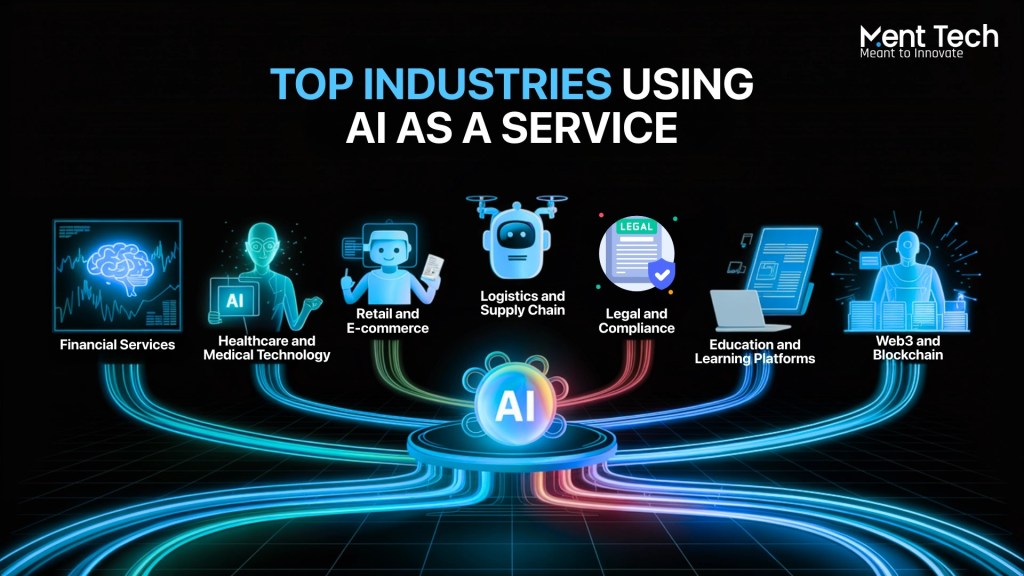
  • Artificial intelligence is no longer confined to research labs or tech giants. In 2025, it’s available on demand just like electricity or internet with businesses tapping into AI as a Service (AIaaS) to power everything from marketing automation to personalized customer experiences.

    What once required millions in infrastructure and specialist talent can now be accessed through easy-to-use platforms offering ready-made AI services. Whether you’re enhancing language training with an AI language coach, delivering curated fashion recommendations via a virtual fashion stylist, or improving wellness with a personal fitness coach, AIaaS is enabling companies of all sizes to plug into the future fast.

    In this comprehensive guide, we explore how AIaaS works, where it’s heading, and how your business can harness its full potential in 2025 and beyond.

    What is AI as a Service

    AI as a Service is a cloud based offering that allows businesses to access and deploy AI tools and models on demand without having to build complex AI infrastructure from scratch. These services are offered by cloud providers and AI platforms who take care of everything from data storage and model training to ongoing maintenance and updates.

    AIaaS includes a wide range of offerings such as machine learning APIs, natural language processing tools, computer vision, predictive analytics and generative AI models. Businesses can subscribe to or pay per use for these AI services and integrate them into their existing systems with ease.

    In 2025, AIaaS is not just for tech giants. Thanks to intuitive interfaces, APIs and pre trained models, even small and medium enterprises are now able to harness the power of AI in areas like customer service, marketing, product design, human resources and logistics.

    Key Types of AI Services in AIaaS

    AIaaS comes with diverse service categories that cater to different business needs. Here are some of the most widely used ones:

    1. Machine Learning as a Service

    This includes platforms that offer tools to train, deploy and monitor machine learning models. Businesses use these models to make predictions, identify trends, and automate decision making. Providers often include drag and drop interfaces, prebuilt algorithms and model training environments.

    2. Natural Language Processing Services

    These services allow businesses to process and understand human language. They power chatbots, sentiment analysis tools, voice assistants, and language translation apps. AI language coach applications have become particularly popular, offering personalized feedback and fluency training to users across global enterprises.

    3. Computer Vision Services

    Computer vision enables machines to interpret and make decisions based on visual data. AIaaS offerings include facial recognition, image tagging, object detection and more. E commerce brands are increasingly leveraging computer vision for personalized shopping experiences through tools like the virtual fashion stylist.

    4. Conversational AI

    AIaaS platforms offer conversational agents capable of holding realistic dialogues with customers. These agents are used in support desks, sales outreach, virtual coaching and employee onboarding. The AI language coach and intelligent tutors are prime examples of how conversational AI is shaping modern learning and communication.

    5. Robotic Process Automation (RPA)

    By combining AI with RPA, businesses automate repetitive tasks like invoice processing, data entry, and report generation. This hybrid automation model is reducing costs while improving accuracy and efficiency.

    6. AI for Personal Wellness and Coaching

    Businesses in the wellness and fitness sectors are integrating AI for personalized coaching. The personal fitness coach powered by AI uses data from wearables, apps, and health history to create custom workout and nutrition plans. These AI services are widely adopted by fitness platforms, corporate wellness programs, and health apps.

    Use Cases of AIaaS Across Industries

    AI as a Service is revolutionizing various sectors by delivering targeted, cost effective solutions. Here are just a few transformative use cases:

    Healthcare

    Hospitals use AIaaS platforms for predictive diagnostics, patient monitoring, drug discovery and medical imaging. AI powered chatbots assist patients with appointment scheduling and post operative care.

    Education

    Online education platforms leverage AI services like intelligent tutoring systems, AI language coach apps, and personalized content recommendations to enhance learning outcomes and student engagement.

    Retail and Fashion

    Retailers use AIaaS for demand forecasting, dynamic pricing and visual merchandising. Virtual fashion stylist tools analyze body types, preferences and trends to deliver hyper personalized shopping experiences.

    Finance

    AIaaS tools help financial institutions with fraud detection, risk analysis, algorithmic trading and customer service automation. Natural language generation tools also assist in creating financial reports in real time.

    Human Resources

    HR departments are integrating AI services to screen resumes, assess candidate fit, and automate onboarding processes. Sentiment analysis tools monitor employee satisfaction through internal communication.

    Benefits of AI as a Service

    The appeal of AIaaS lies in its accessibility, flexibility and affordability. Here are some key advantages:

    Cost Efficiency

    AIaaS eliminates the need for upfront investment in infrastructure and data science talent. Companies only pay for what they use, making advanced AI accessible to startups and large enterprises alike.

    Scalability

    Cloud based AI services can easily scale with growing data and user demands. Businesses can start small and expand their usage as needed.

    Faster Time to Market

    With pre trained models and easy integrations, businesses can launch AI driven solutions much faster than if they built everything in house.

    Continuous Innovation

    AIaaS providers regularly update their models, ensuring that users always have access to the latest capabilities without managing updates themselves.

    Customization

    Advanced platforms offer options to fine tune models to specific business needs. Whether it’s training an AI language coach to fit a corporate training module or adjusting a virtual fashion stylist for regional preferences, customization is easier than ever.

    Challenges and Considerations

    While AIaaS provides tremendous benefits, businesses must navigate certain challenges:

    Data Privacy and Security

    Since AIaaS involves transferring data to cloud platforms, businesses must ensure compliance with data protection regulations and choose providers with strong security protocols.

    Integration Complexity

    Integrating AI services into legacy systems may require careful planning, especially in traditional sectors. Choosing providers with robust documentation and integration support is critical.

    Vendor Lock in

    Relying too heavily on a single AIaaS vendor can create dependency. Businesses should aim for modular architecture and interoperability to retain flexibility.

    Ethical AI

    Responsible AI practices are more important than ever. Businesses must ensure that the AI models they use are transparent, explainable and free of bias.

    How to Get Started with AIaaS

    Getting started with AI as a Service in 2025 involves a few key steps:

    1. Define Clear Objectives — Identify the specific business problems AI can solve.
    2. Evaluate Use Cases — Start with one or two high impact applications such as customer support automation or a virtual fashion stylist integration.
    3. Choose the Right Provider — Compare providers based on features, pricing, scalability, and compliance.
    4. Plan for Integration — Ensure compatibility with existing infrastructure and allocate technical resources for implementation.
    5. Monitor and Optimize — Continuously assess performance and refine AI models as needed.

    The Future of AIaaS

    The AIaaS revolution is democratizing artificial intelligence, removing traditional barriers to entry and giving every business from agile startups to global enterprises the tools to compete in a smart, data-driven world.

    By adopting cloud-based AI services, companies gain the flexibility to experiment, the scale to grow, and the intelligence to personalize. Whether it’s through an AI language coach that accelerates employee development, a virtual fashion stylist that elevates user engagement, or a personal fitness coach that brings health insights to individuals, the possibilities are endless.

    One thing is clear: in 2025, businesses that embrace AIaaS are not just keeping up they’re setting the pace

  • Artificial Intelligence (AI) is reshaping the trading industry. From equities to crypto markets, cutting-edge platforms now use AI, machine learning, and deep data analysis to optimize trading performance and reduce human error. These tools are revolutionizing how traders make decisions—improving risk management, identifying opportunities in real time, and automating high-probability trades.

    Today’s most effective AI trading systems are equipped with adaptive trade logic, institutional-grade setups, smart filters, and high risk-to-reward profiling. These solutions support multiple markets including crypto, forex, and indices, helping users make data-driven decisions even in volatile conditions.

    Leading AI Trading Platforms to Watch

    Ment Tech

    Ment Tech is at the forefront of AI-powered trading solutions. It combines advanced algorithmic trading engines with natural language processing and neural forecasting models. Ment Tech’s platform offers an intelligent assistant that supports crypto and forex traders with real-time alerts, strategy automation, portfolio insights, and drawdown prevention systems. Its platform is especially popular among high-frequency and swing traders, offering both scalability and custom AI strategy training. It’s not just a platform—it’s a trading co-pilot.

    CryptoHopper

    CryptoHopper enables users to automate their crypto strategies using pre-configured bots or custom setups. With integration across major exchanges and a user-friendly drag-and-drop strategy designer, it’s great for beginners and pros alike.

    TradeSanta

    A top choice for beginners, TradeSanta simplifies crypto bot trading with pre-made strategies for grid and DCA (Dollar Cost Averaging). It’s ideal for those who want to automate without coding.

    Pionex

    Pionex is a low-fee exchange with built-in trading bots, including Grid and Leveraged Grid bots. It’s favored by traders looking for ready-made automation without complex configurations.

    DeepTradeBot

    DeepTradeBot employs deep neural networks to identify profitable patterns in market behavior. Though still developing, it’s one of the more sophisticated attempts at predictive AI-based trading.

    Tickeron

    Tickeron blends AI with real-time market scanning, offering swing and day traders pattern recognition, backtesting, and customizable bots for both stocks and crypto.

    Numerai Signals

    Numerai is a decentralized hedge fund model that allows global data scientists to submit AI-generated signals. It pays contributors based on how well their models perform, bridging community intelligence with institutional-grade trading.

    Strategic Insights: What Sets These AI Trading Platforms Apart

    The primary difference among AI trading platforms lies in their audience and approach. Retail-focused platforms like Ment Tech, CryptoHopper, and Tickeron aim to make AI tools accessible to individual traders and small funds. These tools emphasize ease of use, integration with crypto wallets, transparent analytics, and intelligent automation—all tailored for scalable performance. Ment Tech, in particular, stands out with its institutional-style setups combined with retail accessibility, making it a powerful bridge between human insight and machine precision.

    On the other hand, institutional firms such as Two Sigma, XTX Markets, The Voleon Group, and G‑Research deploy highly proprietary models. They utilize AI and machine learning to execute complex, high-frequency trades on a massive scale. These firms operate with vast data pipelines and infrastructure, giving them a competitive edge, although such systems remain closed to most individual investors.

    While the trading goals may differ—scalability, precision, automation, or volume—the common factor is clear: AI is no longer a nice-to-have. It’s the engine behind the smartest investment strategies of the 2020s

  • Welcome to WordPress! This is your first post. Edit or delete it to take the first step in your blogging journey.

Design a site like this with WordPress.com
Get started